Is fermented food
the secret to Japanese longevity?! Fermented foods: the foundation of Japan's longevity!
Japan has one of the longest life expectancies in the world.
Natto, miso, soy sauce, amazake, and many other fermented foods have been part of the Japanese diet for generations.
Koji mold, essential to Japanese fermented foods, has been used for more than 1,000 years and has contributed to Japan's longevity.
Welcome to the world of fermentation
On December 4, 2013, "Washoku, traditional dietary cultures of the Japanese" was inscribed on UNESCO's Representative List of the Intangible Cultural Heritage of Humanity.
Today, Japanese food is drawing attention around the world.
What is fermentation?
Fermentation is the process by which microorganisms break down ingredients and produce new substances that are useful to people.
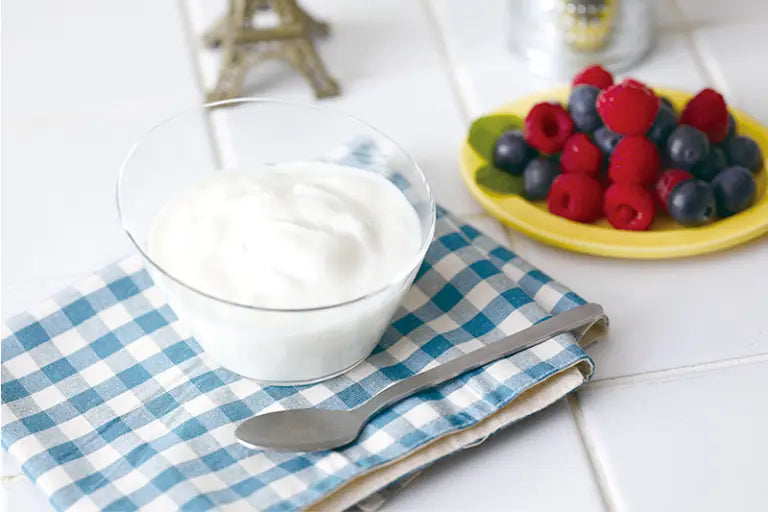
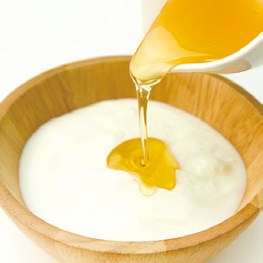
Fermented foods are a familiar part of life in the United States, too, from cheese and yogurt to miso and alcoholic drinks.
What is a fermented food?
When a food ferments:
· It gains umami and tastes better, because microorganisms break the proteins in the ingredients down into peptides and amino acids, which carry umami.
· It keeps longer, because carbohydrates break down into lactic acid, alcohol, and similar compounds, which hold off the bacteria that cause spoilage.
· And it is good for your body, because during fermentation, health-promoting compounds that were not in the original ingredients increase dramatically.
Those are the benefits.
The added umami also makes fermented foods a natural fit for all kinds of dishes.
This site introduces a range of fermented foods, so you can easily enjoy delicious, healthy homemade fermented foods at your table every day.
Microorganisms create umami and change nutrients
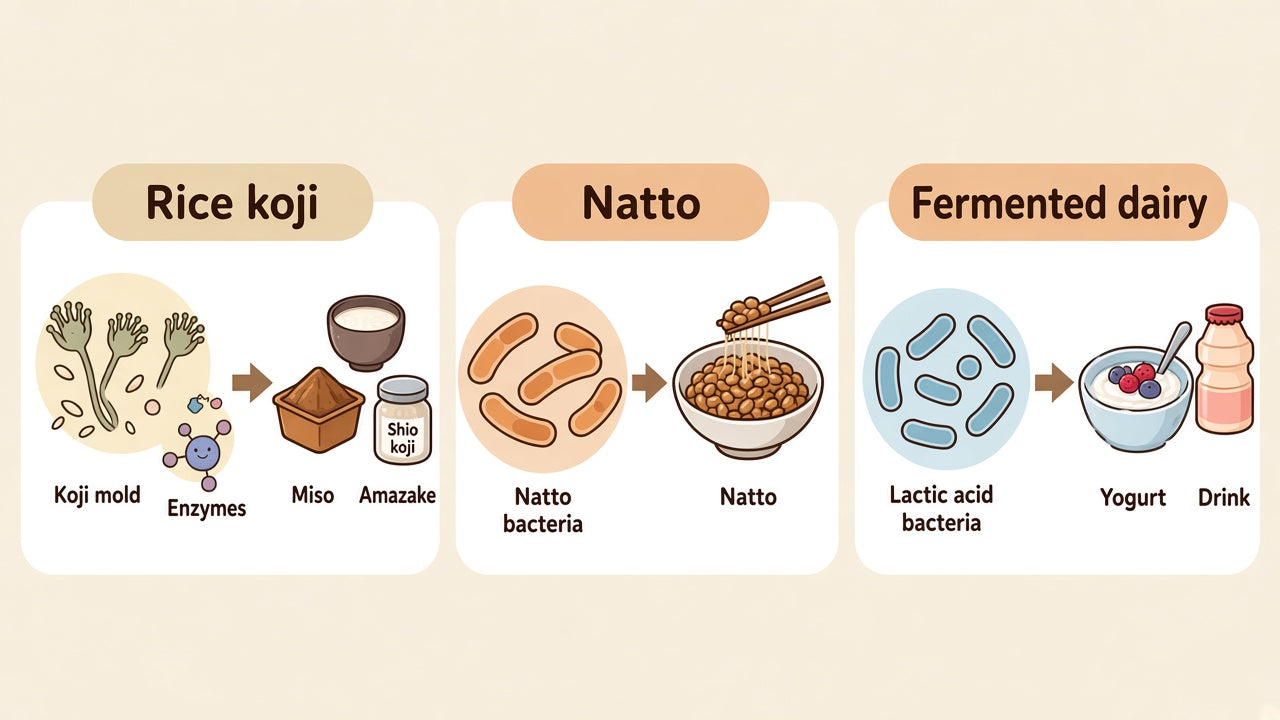
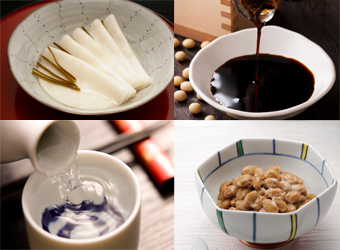
Many traditional Japanese foods are made by fermentation, including shio koji (salt koji), shoyu koji (soy sauce koji), vinegar, miso, soy sauce, natto, pickles, sake, and amazake.
Fermented foods are made when microorganisms such as lactic acid bacteria, natto bacteria, and koji mold settle on an ingredient, break down its components, and either use them as food or turn them into something new. Proteins become amino acids and peptides. Carbohydrates become lactic acid or alcohol. Along the way, health-promoting compounds increase dramatically, umami and flavor deepen, and the food keeps longer.
Fermented foods shaped by local climate and ingredients
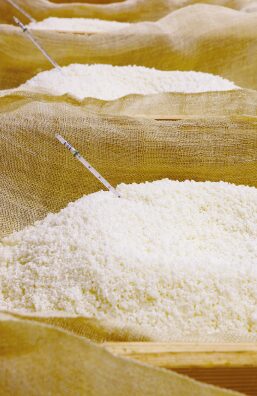
People have long known from experience that fermented foods are good for the body, and they have been passed down around the world since ancient times.
Yogurt, for example, is often traced to about 5000–6000 BCE. When people in the eastern Mediterranean began using milk from cattle and sheep as food, lactic acid bacteria may have gotten into the milk by chance and fermented it. That is one account of how the earliest cultured milk began.
In Japan, dried fish and narezushi appear to have been made as early as the Jomon and Yayoi periods. Envoys to Tang China in the Nara and Heian periods are said to have brought back early forms of miso, vinegar, sake, hishio, and pickles.
To this day, these fermented foods have been cherished in diets around the world, and each country and region makes them to suit its climate, ingredients, and tastes, as its own distinctive "taste of home."
Six reasons fermented foods are good for you

1. Boosts immunity (all three microbes)
About 70% of the body's immune cells are concentrated in the gut. Keeping the gut healthy is the shortcut to keeping your whole body healthy. Lactic acid bacteria keep the gut slightly acidic so that good bacteria dominate, and natto bacteria also increase the good bacteria in the gut. The enzymes in rice koji turn starch into oligosaccharides, which feed good bacteria. As good bacteria increase, they suppress the production of harmful substances that cause constipation, rough skin, and other problems, and immune cells become more active, which boosts immunity.

2. Anti-aging effects (mainly koji mold and natto bacteria)
Reactive oxygen, a cause of aging, is sometimes called the body's "rust." Kojic acid, which forms as koji mold breaks starch down into sugar, is said to suppress its activity. The polyamines in natto and miso are also antioxidants, so they neutralize reactive oxygen. It is also becoming clear that the fermentation process itself draws out antioxidants such as vitamin C and catechins from the original food.

3. More beneficial compounds (all three microbes)
When a food ferments, microorganisms change the nutrients themselves. In natto, natto bacteria produce nattokinase, which thins the blood and keeps it flowing smoothly, and the calcium in yogurt changes into a form that is easier to absorb than the calcium in milk. Microorganisms also synthesize amino acids, citric acid, and vitamins, so the food ends up more nutritious.

4. Helps prevent lifestyle-related diseases (mainly koji mold and natto bacteria)
When koji mold or natto bacteria break down proteins during fermentation, peptides are produced. Peptides are substances midway between proteins and amino acids. Soy peptides in particular are known to curb rises in blood pressure, lower blood cholesterol, and aid recovery from fatigue and muscle repair.
5. Keeps longer (all three microbes)
Many fermented foods keep for a long time because good bacteria such as lactic acid bacteria and natto bacteria suppress the bacteria that cause spoilage, and because the compounds produced by fermentation have antibacterial properties of their own. In foods made with rice koji, the sugar produced by enzymes and the salt keep unwanted bacteria from multiplying. The food lasts longer than it would raw, and the longer it sits, the more it "ages" and the more umami it gains.
6. Additive-free when homemade (all three microbes)
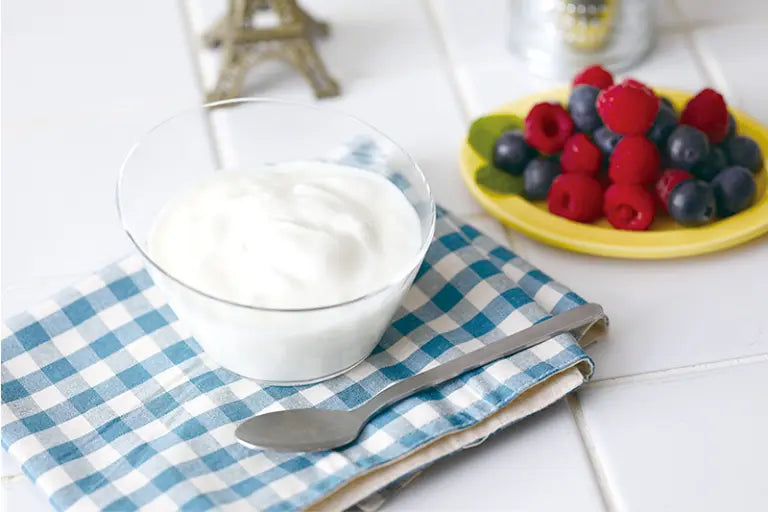
This is where homemade differs from store-bought. You decide everything that goes in, so there are no preservatives and no additives. Families with small children can eat it with peace of mind, and amazake, which is non-alcoholic and has no added sugar yet is very sweet, can be used in place of sugar in sweets. And the taste of yogurt made with fresh milk is reason enough to make your own.
What makes Japanese fermented foods distinctive
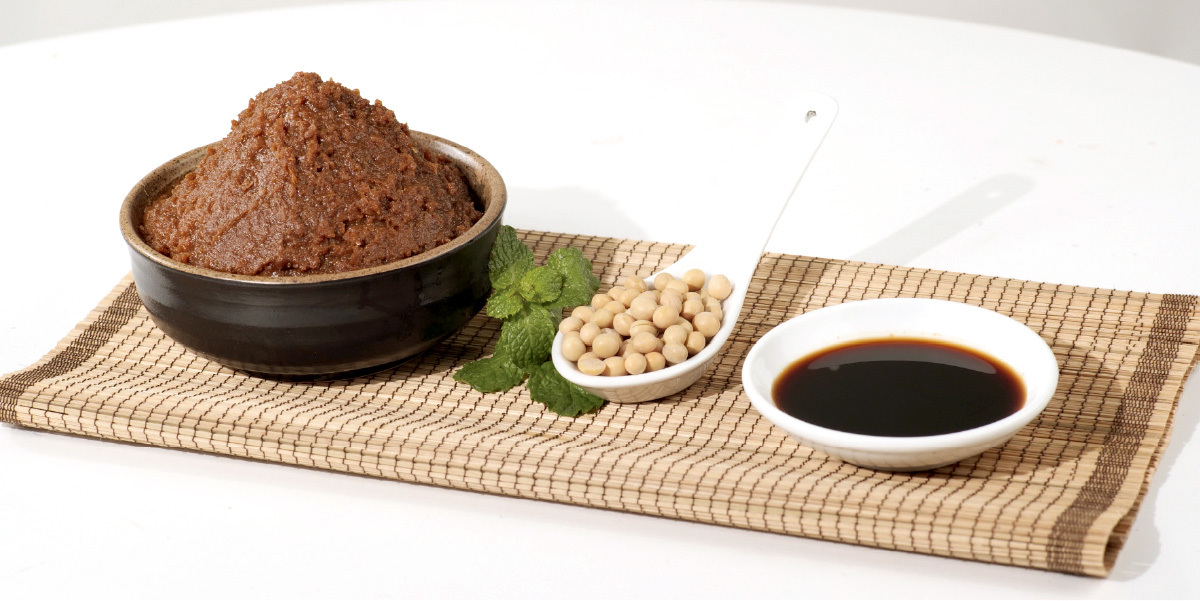
Many countries ferment with lactic acid bacteria, yeast, or acetic acid bacteria. The use of koji is a distinctive feature of fermentation in Japan.
Miso, soy sauce, vinegar (rice vinegar), and sake are all fermented foods made with koji.
What is rice koji?
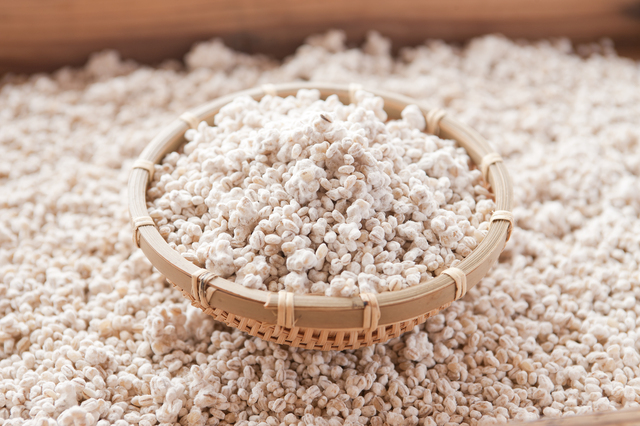
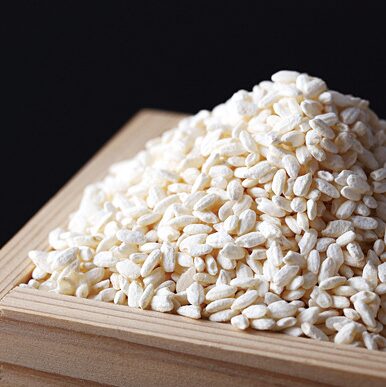
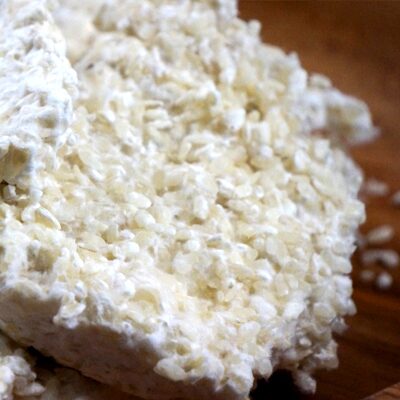
Rice koji is steamed rice that has been inoculated with koji mold and other microbes that drive fermentation. There are several kinds of koji mold, each used for different foods.
What koji mold does
Koji mold produces many enzymes. Those enzymes soften ingredients and bring out sweetness and umami.
Examples of enzymes
- Amylase
Breaks starch into sugar and creates sweetness. - Protease
Breaks protein into amino acids and creates umami.
The health benefits of koji

A better gut environment
The enzymes in koji produce oligosaccharides. Oligosaccharides feed the good bacteria in the gut, so the good bacteria multiply and bring the gut environment into balance. A balanced gut environment can also be expected to relieve constipation and boost immunity.
Fatigue recovery and beautiful skin
Koji is rich in B vitamins, including B2, B6, and niacin.
B vitamins help with energy metabolism, including the metabolism of carbohydrates, fats, and protein. This helps the body flush out waste, so you can expect recovery from fatigue and more beautiful skin.
Aids digestion
In koji, the enzyme amylase breaks starch down into glucose, and the enzyme protease breaks protein down into amino acids. Because you take them in already broken down, they are easier for your body to digest and absorb.
Japanese fermented foods
Amazake
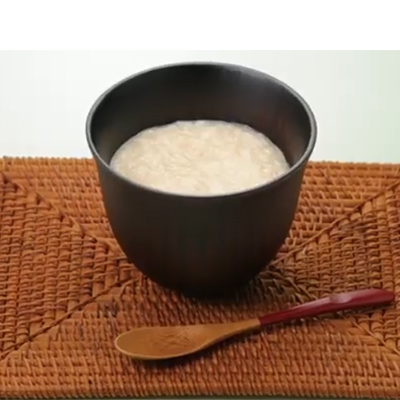
A traditional sweet Japanese drink made from rice koji. Rice koji is also used to brew sake, but amazake made from rice koji contains no alcohol. The B vitamins in amazake help the body metabolize sugar and burn fat. Amazake may also help ease high blood pressure and diabetes and improve cholesterol levels.
Miso
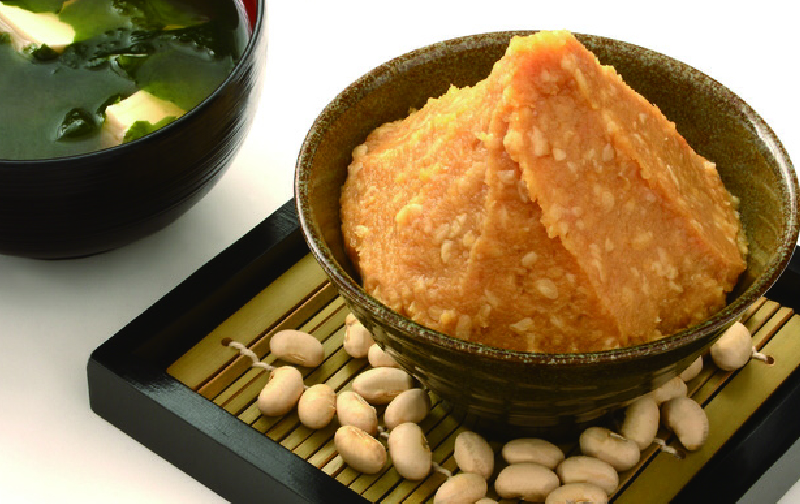
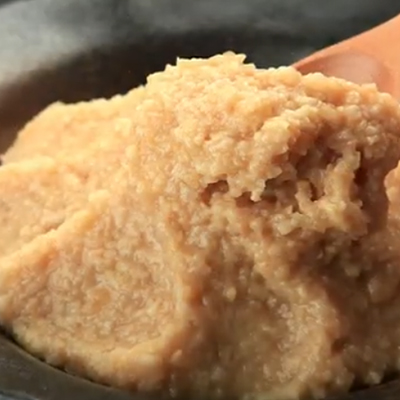
Miso is made by fermenting soybeans, salt, and koji together. White miso is less salty and sweeter than many other styles of miso. Miso is rich in high-quality protein from the soybeans.
Natto
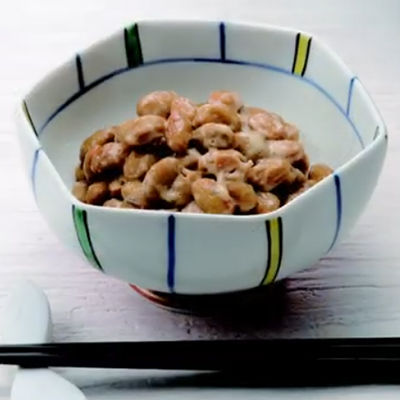
A fermented food made from soybeans and natto bacteria. Its characteristic smell and stickiness come from the natto bacteria breaking down the soybeans. The nattokinase in natto can be expected to thin the blood and keep it flowing smoothly.
Sake
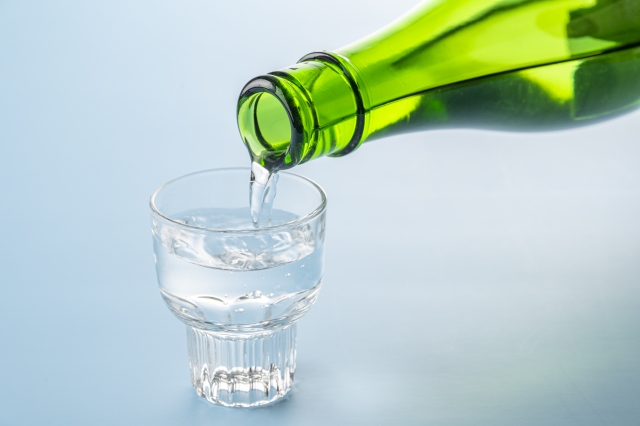
Sake is a traditional alcoholic drink made mainly from rice and water, fermented with koji mold and yeast. Conversion to sugar and alcoholic fermentation proceed at the same time, a process called multiple parallel fermentation, which produces rich aroma and umami.
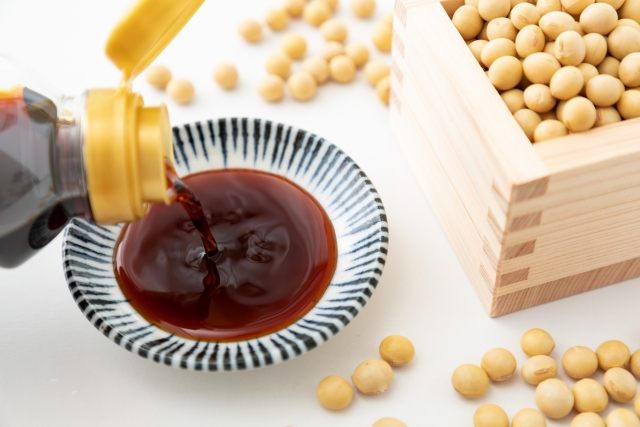
Soy sauce
Soy sauce is a seasoning made by fermenting soybeans, wheat, and salt with koji mold, lactic acid bacteria, and yeast. Fermentation produces amino acids and organic acids, which create umami.
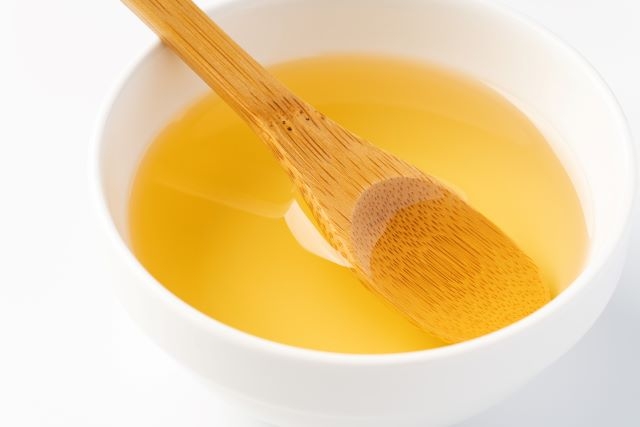
Mirin
Mirin is a sweet seasoning made by fermenting glutinous rice, rice koji, and shochu. Sugars and amino acids formed during fermentation give dishes a deep sweetness and body.
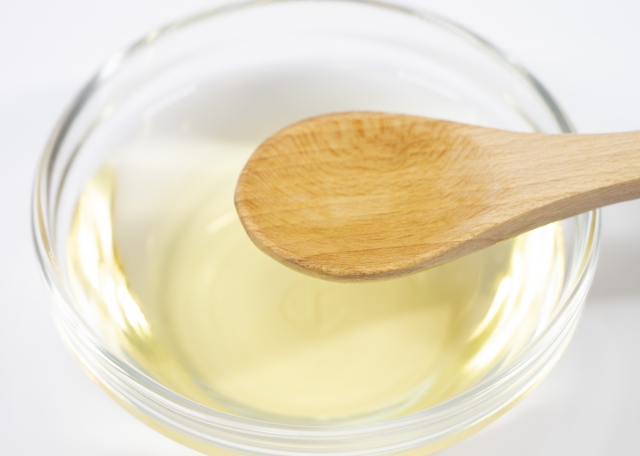
Vinegar
Vinegar is made when acetic acid bacteria ferment alcohol. The acetic acid that forms helps the vinegar keep and gives it a distinctive sour taste and aroma.
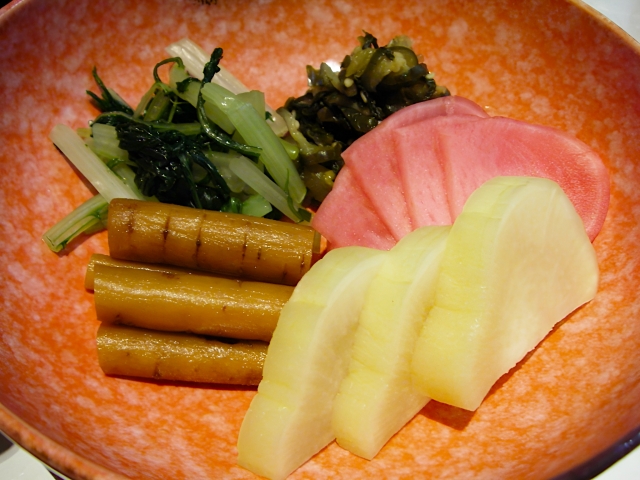
Tsukemono
Tsukemono (Japanese pickles) are vegetables packed in salt, koji, vinegar, or the like so that lactic acid bacteria can ferment them. That helps them keep longer and builds umami. Fermentation also enriches their vitamins and flavor.