Sale

TANICA YOGURTiA fermented food maker
Set any temperature from 25–70°C (77–158°F) in 1°C steps. Includes two HARIO glass pots and an egg stand. One machine for miso, amazake, shio koji, natto, and yogurt.

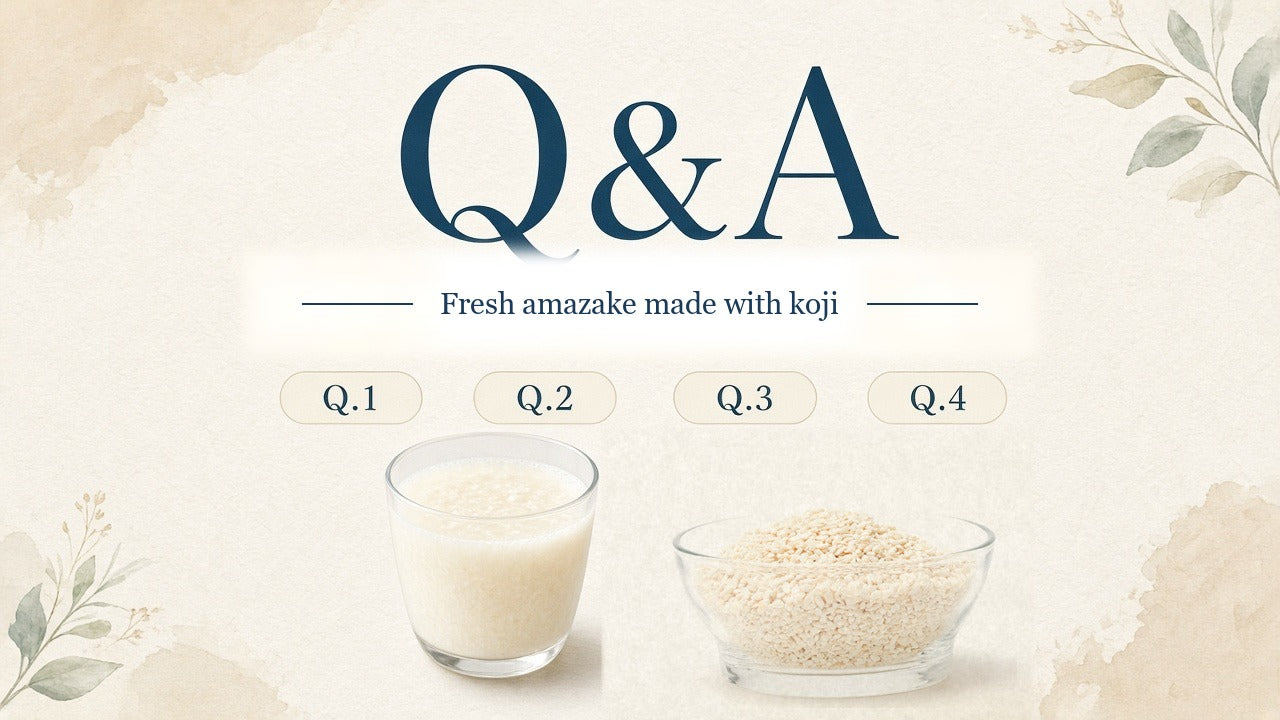
You may like the idea of fresh amazake and still wonder what koji is, or what an enzyme is. Here are plain answers to those questions.
Koji is steamed rice, barley, or soybeans with a mold called koji mold grown on it. When it's grown on rice, it's called rice koji, and it's the key ingredient in fresh amazake.
As koji mold multiplies, it releases more than 100 kinds of enzymes. Two of them matter most: amylase and protease. Amylase breaks rice starch into glucose and oligosaccharides. Protease breaks rice protein into amino acids. The mold then uses those sugars and amino acids as food, and they are useful nutrients for people as well. Koji mold also produces vitamins.
Koji mold grows best at about 30°C (86°F) with steady humidity. Koji makers keep it in a warm room (muro), where the mold sends out hyphae and keeps releasing enzymes and vitamins. This work is called koji making (seikiku). The koji is ready when the hyphae cover the rice and plenty of enzymes are present, which takes 3 to 4 days. Freshly made, it's fresh koji. With the moisture removed, it's dried koji.
The strain of koji mold, the rice, and the room it grows in all differ from one koji maker to the next, so koji doesn't have just one flavor.
Koji mold is a kind of white mold in the genus Aspergillus. It's found in East Asia and is well suited to Japan's climate. Many molds make toxins and can't be eaten, but the koji mold used for food doesn't produce the toxins that make those molds inedible. It hasn't been linked to that kind of incident in the history of Japanese food, and it has a long record of use at the table.
Japan owes its rich range of fermented foods to this mold. Soy sauce and miso, two traditional seasonings, can't be made without it. It's the foundation of Japanese fermented food, and it's often called Japan's national mold.
As described above, the enzymes that koji mold makes as it grows on rice or barley do useful work in everyday eating. They also bring sweetness, umami, and depth of flavor.
As koji mold grows, it releases more than 100 enzymes. Think of an enzyme as a pair of scissors. Two do most of the work: amylase, the scissors that cut starch, and protease, the scissors that cut protein.
Starch and protein are both long chains, and the enzyme scissors snip them into small pieces. Starch cut small becomes glucose — sweetness. Protein cut small becomes amino acids — umami.
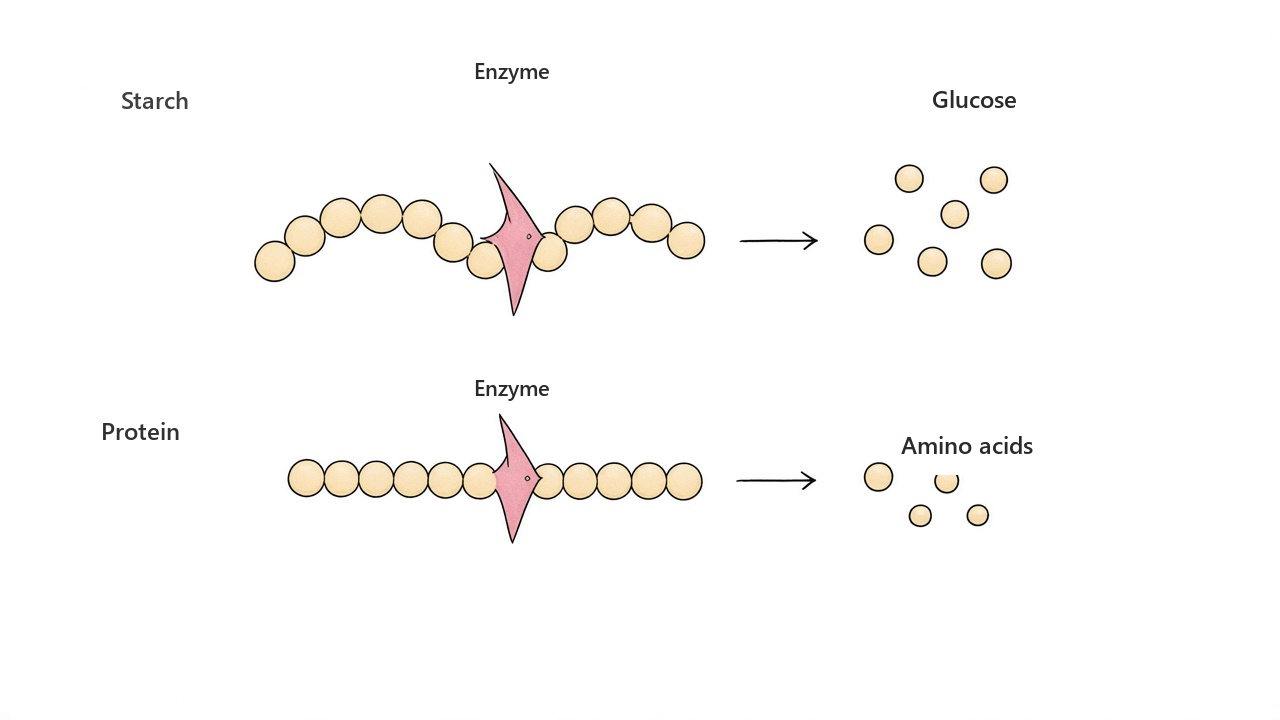
Koji enzymes are most active around 60°C (140°F). Holding that temperature is what makes fresh amazake sweet and full of umami. Finished fresh amazake still contains many active enzymes.
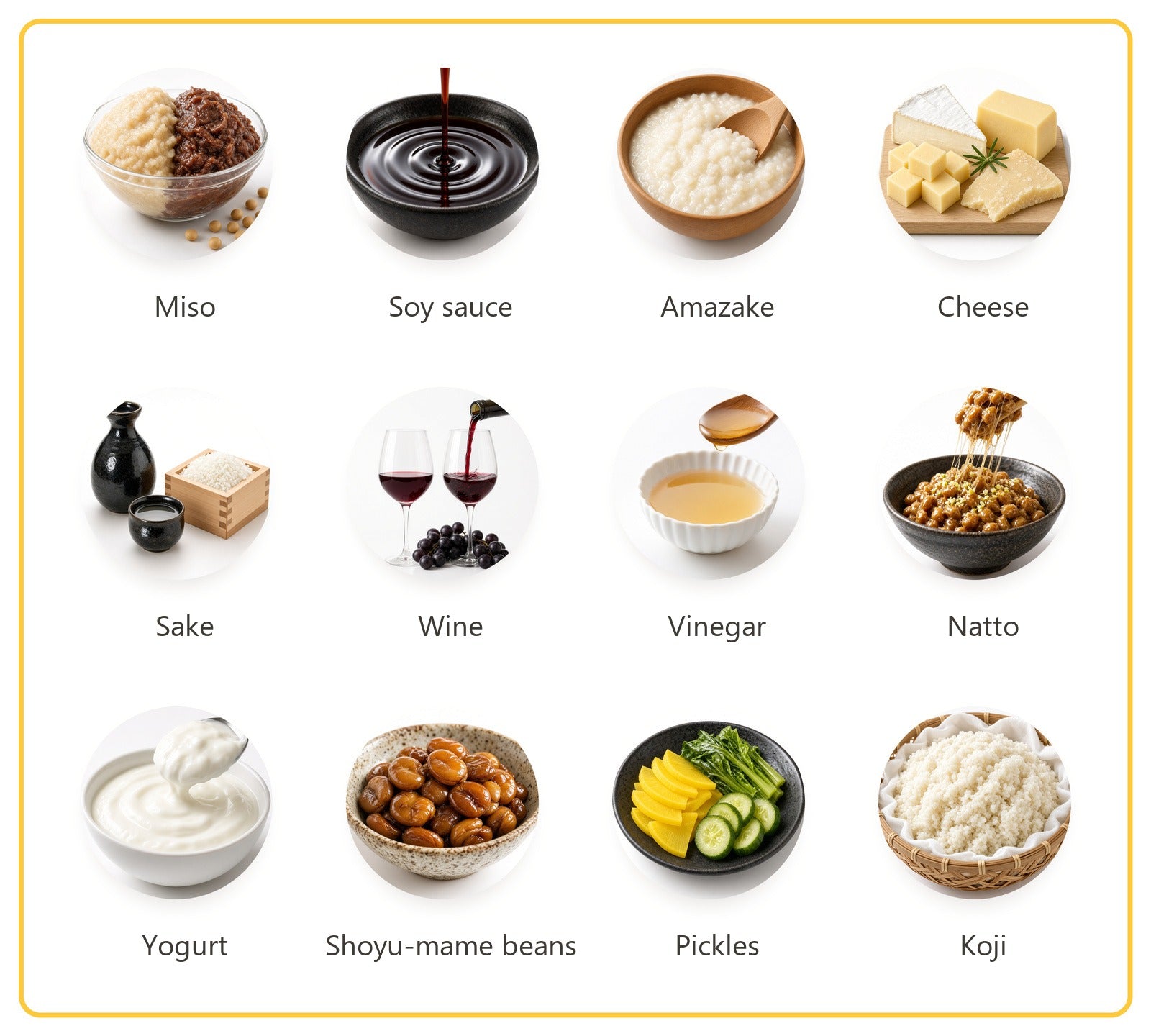
When microbes break down parts of a food and produce something useful to people, the process is called fermentation. When the result is harmful, it's called spoilage. Which word we use depends on whether people can eat the result.
As noted earlier, the enzymes from koji mold break down starch and protein, and that breakdown counts as fermentation too. Fermentation brings sweetness and umami, raises the food value of the ingredients, and can make them easier to digest. That is the appeal of fermented food.
Other fermented foods include seasonings such as soy sauce, miso, and vinegar, as well as natto, pickles, shiokara (salted, fermented seafood), and yogurt. Sake and shochu are made by fermentation too.
This article offers general information about everyday eating. It is not meant to diagnose, treat, or prevent any condition. If you have a medical condition or a food allergy, talk with a doctor or a registered dietitian.
Get started with Gohan Japan
Set any temperature from 25–70°C (77–158°F) in 1°C steps. Includes two HARIO glass pots and an egg stand. One machine for miso, amazake, shio koji, natto, and yogurt.

Made from 100% Japanese-grown white rice, with high enzyme activity. Use it to make shio koji, amazake, miso, and shoyu koji. One 500 g bag makes about 2.5 batches of shio koji.
$21.99 Buy · $21.99
Just stir into cooked rice and water. Non-alcoholic, no added sugar. 10 sticks (2 g each).
From $13.99 Buy · from $13.99You'll also find recipe details in the Gohan Japan cooking-video index. The dried rice koji, Amazake Enzyme, and YOGURTiA are the same products whether you buy from the Gohan Japan store or on Amazon US.
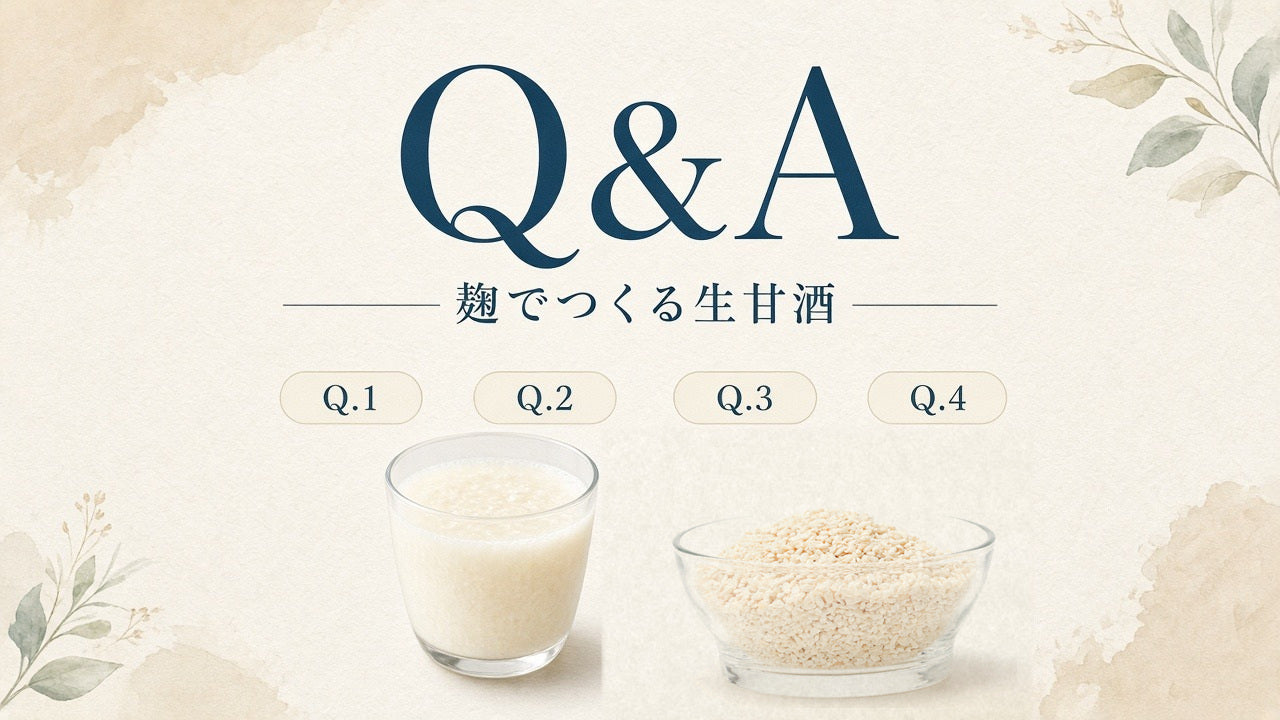
生甘酒が体にいいことはわかるけれど、そもそも麹って何? 酵素って!? 素朴な疑問やお悩みに、わかりやすくお答えします。
麹とは、麹菌というカビを、蒸した米や麦、大豆などにふりかけて繁殖させたもの。米に麹菌を繁殖させたものを米麹といい、生甘酒の大切な材料になります。
麹菌は増殖するときに、100種類以上もの酵素を出します。なかでも「アミラーゼ」と「プロテアーゼ」という2つの酵素は重要で、アミラーゼは米のでんぷんをブドウ糖やオリゴ糖に、プロテアーゼは米のたんぱく質をアミノ酸に分解します。そして、それらの糖やアミノ酸を栄養源として増えていくのですが、これらは私たち人間の体にとっても有益な栄養素です。さらに麹菌は、新たにビタミン類なども生み出します。
麹菌が最も繁殖しやすい約30℃の温度と一定の湿度を保った室(むろ)の中で、麹菌に菌糸を伸ばさせながら酵素やビタミン類をどんどん出させる繁殖作業を製麹(せいきく)というのですが、菌糸が米を覆いつくし、酵素がたっぷり出た段階で麹は完成します。製麹には3〜4日かかり、できたてのものが生麹、水分を飛ばしたものが乾燥麹になります。
麹菌のタイプや米の種類、繁殖させる環境などは麹屋さんによって異なるため、ひと言で麹といっても、それぞれ味が違います。
麹菌は東アジアに生息するアスペルギルス属に分類される、日本の気候風土に繁殖条件が合った白カビの一種です。カビというのは毒があって食べられないのが普通ですが、麹に使用される麹菌は毒をつくることができない菌。食の歴史を見ても一度も事故がなく、安全性が保証されている菌です。
日本はこの麹菌のおかげですぐれた発酵食品に恵まれてきました。伝統的調味料であるしょうゆやみそ、麹菌がなければつくることができませんので、日本の発酵食のベースにいる、国を代表する菌ともいえます。
この麹菌が米や麦などに繁殖するときに生み出す酵素は、前述のように私たちの体に有用な働きをしてくれます。さらに味に甘みやうまみ、深みももたらします。
麹菌は繁殖するときに100種類以上の酵素を出します。この酵素、簡単にいうと「ハサミ」のようなもので、麹菌の出す酵素のうち特に大きな働きをするものは2つ。でんぷんを切るハサミ=でんぷん分解酵素(アミラーゼ)と、たんぱく質を切るハサミ=たんぱく質分解酵素(プロテアーゼ)です。
でんぷんもたんぱく質もだんご状に連なる形をしているので、この連なりをチョキチョキ切っていくのがハサミ(酵素)の働き。細かくなったでんぷんはブドウ糖=甘みになり、細かくなったたんぱく質はアミノ酸=うまみになります。
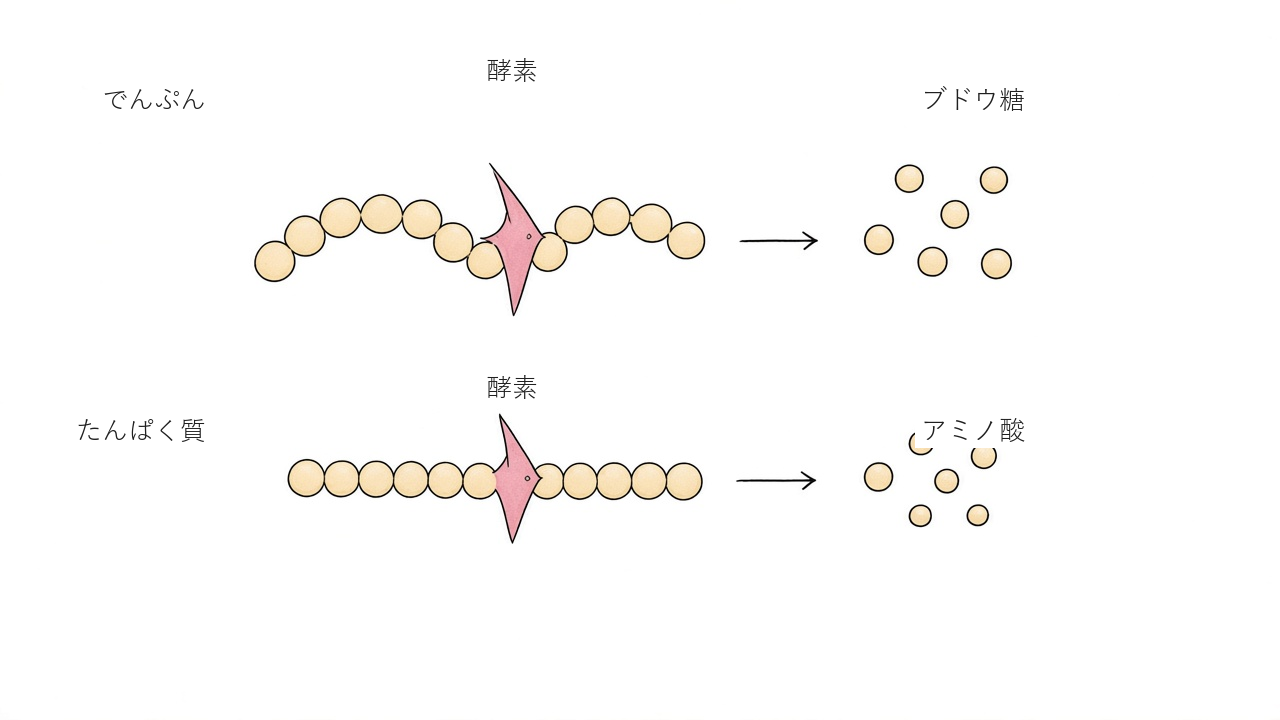
麹菌の酵素が最も元気に働く温度は60℃前後。甘くてうまみたっぷりの生甘酒をつくるには、この温度での保温が重要になってくるわけです。そして、こうして完成した生甘酒には、酵素が元気な状態でたくさん含まれています。
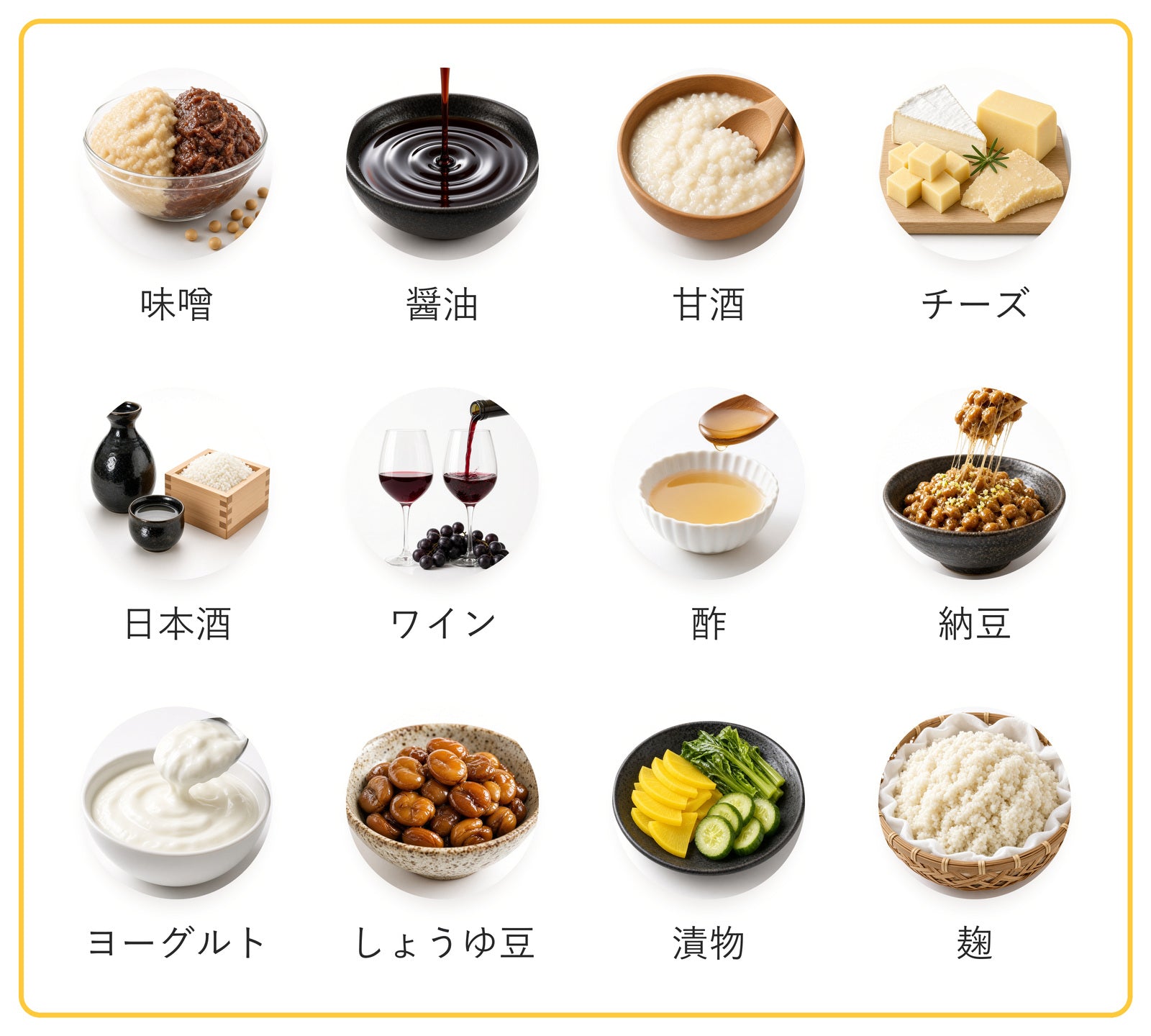
微生物の働きによって食物などの成分が分解され、人間にとって有益なものを生成するのが「発酵」です。逆に、害になるものをもたらす場合は「腐敗」と呼びます。発酵と腐敗は、人が食べられるか否かで表現が決まります。
麹菌が出す酵素が、でんぷんやたんぱく質を分解することについては先に触れましたが、この酵素による「分解」も「発酵」です。発酵によって甘みやうまみがもたらされ、栄養価も高まり、消化もラクになる。これが発酵食品の魅力です。
発酵食品は他にも、しょうゆやみそ、酢などの調味料や、納豆、漬け物や塩辛、ヨーグルトなどがあります。日本酒や焼酎なども発酵というプロセスを経てできています。
本記事の内容は、一般的な食生活の情報提供であり、診断・治療・予防を目的としたものではありません。持病やアレルギーがある場合は、医師や管理栄養士に相談してください。
Gohan Japan で続ける
77〜158°F(25〜70℃)を1℃刻みで設定。HARIO ガラスポット2個・温泉卵スタンド付属。味噌・甘酒・塩麹・納豆・ヨーグルトを1台で。
レシピの詳細は Gohan Japan の調理動画索引からも確認できます。乾燥米麹・甘酒酵素・YOGURTiA は、Gohan Japan 公式ストアと Amazon US で同じ品質の製品をお求めいただけます。